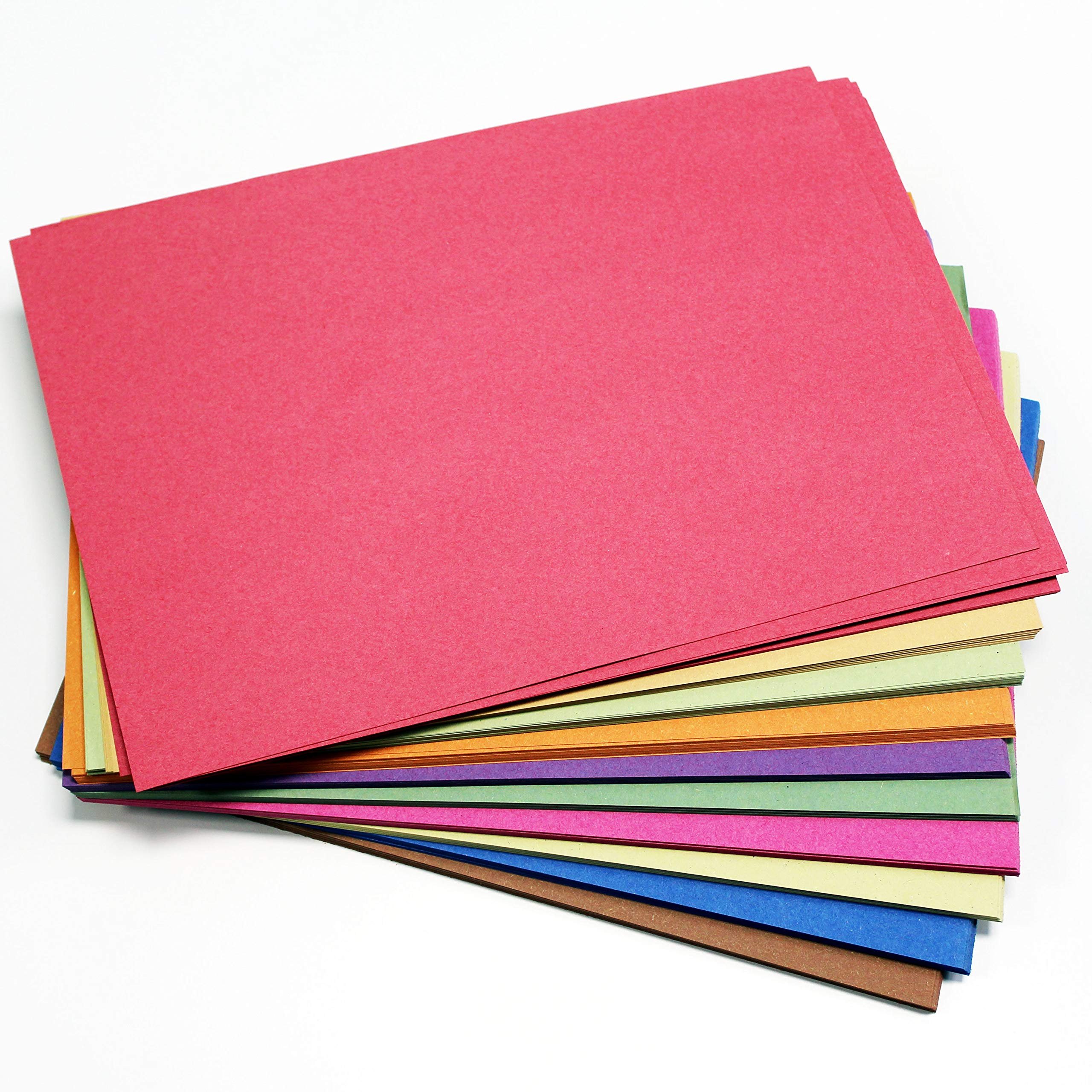
Sugar paper, a versatile and underrated material, finds its way into various art projects and children’s crafts. Sought after for its smooth texture and vibrant colors, sugar paper adds a touch of creativity to any project. From simple drawings to intricate cutouts, this unassuming material provides endless possibilities for artistic expression. Whether you’re a seasoned artist or a novice crafter, exploring the potential of sugar paper can unlock a world of imagination and creativity. Join us on a journey to discover the endless wonders of sugar paper and unleash your artistic potential.

The Wonderful World of Sugar Paper: Everything You Need to Know
Welcome to the colorful and creative world of sugar paper! Have you ever wondered what sugar paper is, where it comes from, and how it’s used? In this article, we’ll delve into the fascinating realm of sugar paper, exploring its history, production process, and various applications. So grab your favorite markers and let’s embark on this sweet journey together!
What is Sugar Paper?
Sugar paper, also known as construction paper or colored paper, is a type of thick, textured paper that comes in a wide array of vibrant colors. It has a rough surface and is often used in arts and crafts projects, school assignments, and decorations. Sugar paper is a versatile material that can be easily cut, folded, and glued, making it a favorite among artists and crafters of all ages.
The History of Sugar Paper
The origins of sugar paper can be traced back to the early 19th century when it was first produced in Europe. Initially, sugar paper was made using a mixture of sugar, water, and pigment, which gave it a distinctive texture and color. Over time, the production process evolved, and sugar paper became more widely available, gaining popularity for its affordability and ease of use.
In the United States, sugar paper became known as construction paper due to its durability and suitability for building models and structures. Today, sugar paper is a staple in classrooms, art studios, and homes around the world, beloved for its bright hues and versatility.
How is Sugar Paper Made?
The production of sugar paper begins with the pulping of wood fibers to create a pulp mixture. This mixture is then combined with dyes or pigments to give the paper its characteristic colors. The pulp is then pressed and dried to form large sheets of sugar paper, which are later cut into various sizes for packaging and sale.
One interesting fact about sugar paper is that it gets its name from its early use in wrapping sugar cones in the 19th century. The paper’s vibrant colors and durability made it ideal for packaging sugar, giving rise to its popular moniker.
Uses of Sugar Paper
Sugar paper is a versatile material with a wide range of uses. From creating colorful decorations to crafting intricate artworks, the possibilities are endless. Here are some popular ways to use sugar paper:
1. Arts and Crafts
One of the most common uses of sugar paper is in arts and crafts projects. Whether you’re making a greeting card, a paper flower, or a collage, sugar paper provides a colorful and textured canvas for your creativity to flourish.
2. School Projects
In schools, sugar paper is a staple material for various assignments and projects. From making posters to illustrating concepts, students use sugar paper to bring their ideas to life in a visually appealing way.
3. Decorations
For parties, events, and holidays, sugar paper comes in handy for creating eye-catching decorations. From banners to paper chains, sugar paper adds a festive touch to any celebration.
4. Gift Wrapping
With its vibrant colors and sturdy texture, sugar paper is also a popular choice for gift wrapping. Whether you’re wrapping a birthday present or a holiday gift, sugar paper adds a cheerful and personal touch to your package.
Tips for Working with Sugar Paper
Working with sugar paper can be a fun and rewarding experience, but it’s essential to keep a few tips in mind to ensure successful projects. Here are some tips for working with sugar paper:
1. Use Sharp Scissors
When cutting sugar paper, make sure to use sharp scissors to achieve clean and precise edges. Dull scissors can tear the paper and result in uneven cuts.
2. Glue Carefully
When gluing pieces of sugar paper together, use a small amount of glue and apply it evenly to avoid lumps and wrinkles. PVA glue or glue sticks work well for most projects.
3. Experiment with Layering
Layering different colors and textures of sugar paper can create depth and dimension in your projects. Don’t be afraid to experiment and mix and match colors to achieve the desired effect.
4. Allow for Drying Time
If you’re using wet media like paint or glue, allow your project to dry completely before handling it to prevent smudges and smears. Patience is key when working with sugar paper!
The Magic of Sugar Paper
And there you have it—everything you need to know about sugar paper! This humble yet versatile material has been igniting creativity and imagination in people of all ages for centuries. Whether you’re a budding artist, a craft enthusiast, or a student with a project to complete, sugar paper is sure to add a splash of color and joy to your creations.
So the next time you pick up a sheet of sugar paper, remember the rich history and endless possibilities that this simple material holds. Let your creativity flow, and watch as your ideas come to life on the colorful canvas of sugar paper. Happy crafting!
Plan your life beautifully with a Sugar Paper planner. Shop 2024 planners now.
Frequently Asked Questions
What is sugar paper made of?
Sugar paper, also known as construction paper, is typically made from wood pulp or recycled paper. It is then dyed with various colors to create a vibrant and versatile material suitable for arts and crafts projects.
Is sugar paper safe for children to use?
Yes, sugar paper is generally safe for children to use. It is non-toxic and free from harmful chemicals, making it a popular choice for school projects and other creative activities. However, adult supervision is always recommended when children are using any kind of art supplies.
Can sugar paper be used with different art mediums?
Yes, sugar paper is compatible with a variety of art mediums such as crayons, markers, colored pencils, and even light paint applications. Its slightly rough texture makes it suitable for a wide range of artistic techniques, making it a popular choice for both beginners and experienced artists.
Final Thoughts
In conclusion, sugar paper is a versatile material with a variety of creative uses. From arts and crafts projects to packaging and office stationery, its smooth texture and vibrant colors make it a popular choice. The affordability and accessibility of sugar paper also make it a practical option for both professional and personal projects. Next time you’re brainstorming ideas for a new project, consider incorporating sugar paper for a touch of color and creativity.