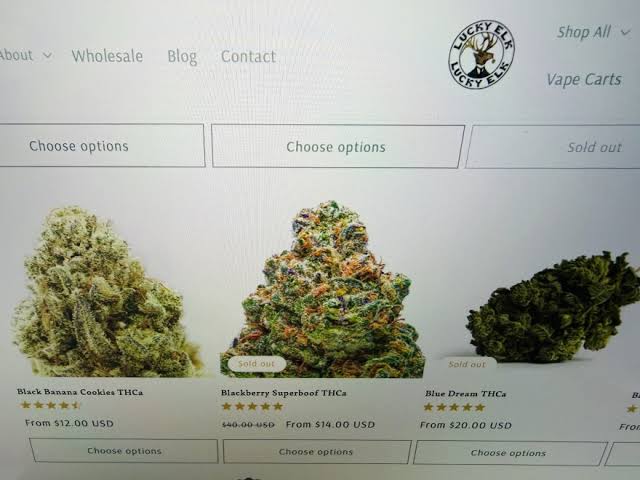
Hemp business planning operates across a set of variables that shift when compound classification updates are issued at the federal or state level. Procurement teams, compliance officers, and wholesale operators each build their internal frameworks around classification positioning before committing to new distribution arrangements or supplier agreements. Operational decisions that bypass this verification step tend to create administrative backlogs that surface later in the planning cycle. Before any new market entry receives internal approval, compliance teams confirm thca legal status across every jurisdiction where distribution is planned, treating this as a fixed checkpoint rather than a discretionary review.
Internal compliance teams track classification updates as a standard operational function rather than a reactive measure triggered only by external notification.
Planning signals
Compound classification sends direct operational signals to hemp business planning teams across four core areas:
- Procurement alignment: Procurement decisions reference current classification positioning before supplier agreements are executed, ensuring compound eligibility is confirmed ahead of volume commitments.
- Distribution scope: Geographic scope adjusts when classification status shifts across individual state jurisdictions, with affected regions reassessed independently.
- Supplier eligibility: Suppliers connected to compound-specific product lines are evaluated against current classification documentation before any new supply arrangement is activated.
- Contract language: Wholesale and retail agreements include classification contingency clauses that define renegotiation procedures when compound positioning changes during an active supply period.
Verification processes
Classification verification in the hemp sector follows a structured internal process rather than a single consolidated review. Federal scheduling updates and state-level classification changes are tracked on separate timelines, with findings documented independently before any distribution decision is finalised.
Third-party verification certificates are requested from suppliers before new agreements are executed. Each certificate is reviewed against current federal and state classification standards across every jurisdiction where product distribution is planned. Suppliers that maintain current documentation across all required categories move through the verification process faster than those that begin collection only after a classification update has been issued.
Jurisdiction-specific records are maintained for each active distribution market rather than grouped under a single federal standard. State-level divergence from federal positioning is identified during the verification cycle and addressed before supply activity proceeds in the affected region.
Aligning planning cycles
Planning cycles in the hemp sector align with federal and state regulatory update schedules rather than operating on fixed calendar intervals alone. When a classification update is issued, planning teams follow a defined sequence before any new distribution arrangement is activated:
- Confirm current federal classification status for every compound category referenced in active agreements.
- Review jurisdiction-specific state records for each planned distribution market independently.
- Request updated third-party certificates from all active suppliers before the next planning cycle opens.
- Assess contract contingency clauses against current classification positioning across wholesale and retail agreements.
- Document internal sign-off confirmation before any new distribution arrangement is activated.
Businesses that run this sequence on a fixed internal cycle rather than initiating it only after an external update maintain cleaner compliance records across active distribution markets.
Compound classification functions as a continuous planning signal across procurement, distribution, and supplier management. Business planning frameworks that integrate classification monitoring as a fixed operational input maintain more stable operational cycles across federal and state jurisdictions.