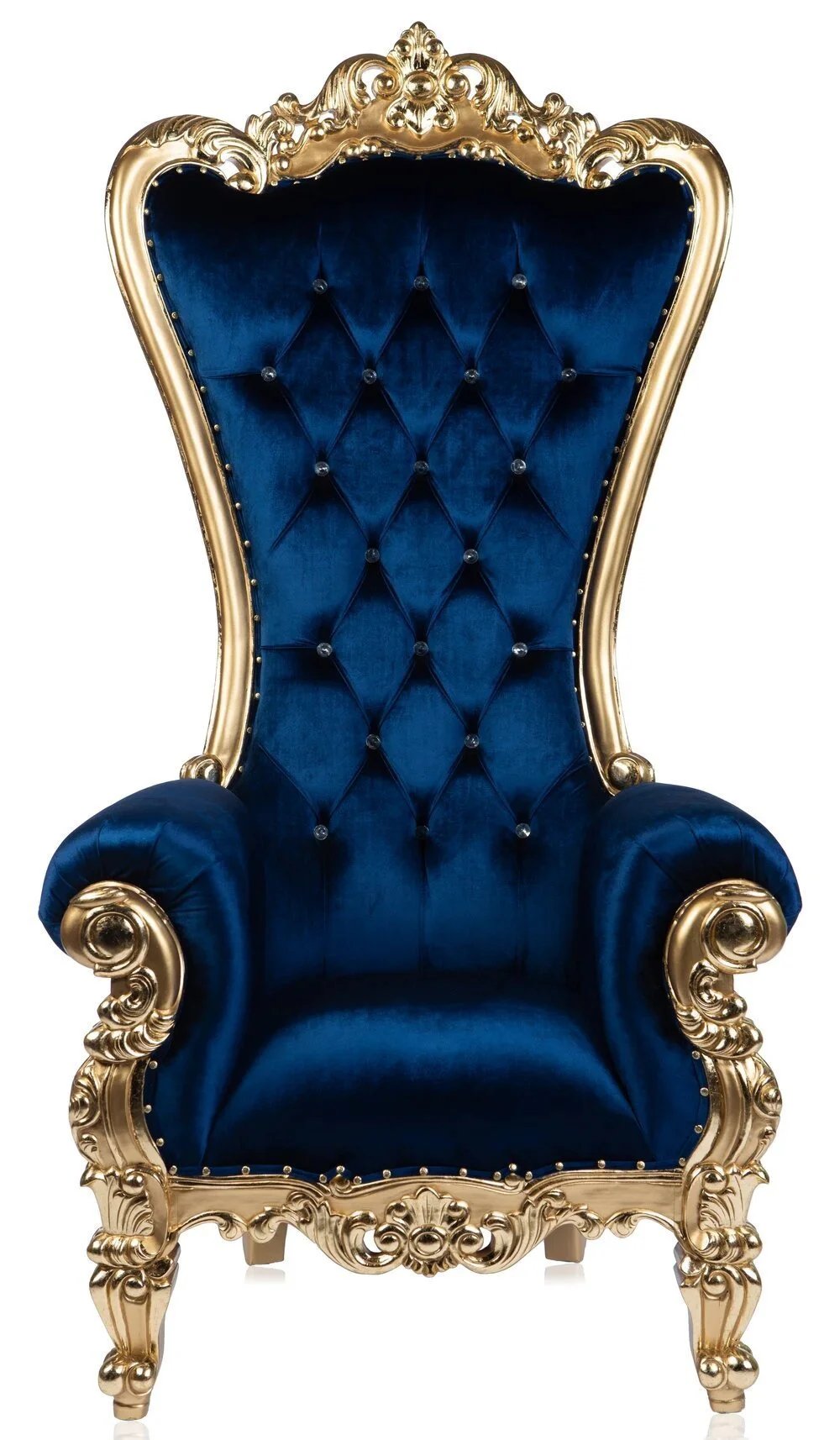
A royal chair is not just a piece of furniture; it’s a symbol of power and luxury. Crafted with exquisite detail and adorned with regal embellishments, the royal chair demands attention in any room. Its grandeur and elegance transport you to a world of opulence and prestige. Sitting on a royal chair, you can’t help but feel like royalty yourself. The allure of the royal chair lies in its ability to captivate and elevate any space it graces.

The Majestic World of Royal Chairs
Welcome, young historians and furniture enthusiasts, to a captivating exploration of the royal chair! From ancient thrones to modern-day ceremonial seats, royal chairs have played a significant role in history and continue to hold a special place in cultural ceremonies and traditions around the world.
The History of Royal Chairs
Let’s journey back in time to uncover the fascinating origins of royal chairs. In ancient civilizations such as Egypt, Mesopotamia, and China, rulers and monarchs sat on elaborate thrones to symbolize their power and authority. These thrones were often adorned with precious metals, intricate carvings, and luxurious fabrics, reflecting the wealth and status of the ruler.
As societies evolved, so did the design of royal chairs. In medieval Europe, thrones became more elaborate, featuring ornate decorations such as coats of arms, jewels, and symbolic motifs. The concept of the royal chair as a symbol of authority and prestige became firmly established during this period.
The Symbolism of Royal Chairs
Royal chairs are more than just pieces of furniture—they are powerful symbols of leadership, sovereignty, and tradition. When a monarch sits on a royal chair, it signifies their rightful place as the ruler of a nation and the embodiment of its values and heritage.
Throughout history, royal chairs have been central to important ceremonies such as coronations, weddings, and official state events. The design and placement of the royal chair within a ceremonial setting are carefully considered to convey specific messages of power, legitimacy, and continuity.
The Cultural Significance of Royal Chairs
Across different cultures and civilizations, royal chairs hold unique cultural significance. In Japan, the Chrysanthemum Throne is a symbol of the Emperor’s divine status and connection to the country’s history and people. In Africa, traditional tribal thrones represent ancestral lineage and leadership within the community.
Even in modern times, royal chairs continue to play a vital role in cultural and diplomatic events. From the throne room at Buckingham Palace to the United Nations General Assembly, royal chairs serve as iconic symbols of authority and tradition.
The Design of Royal Chairs
The design of royal chairs is a blend of artistic craftsmanship, cultural symbolism, and practicality. From the intricate carvings of wooden thrones to the elegant upholstery of velvet armchairs, every detail is carefully considered to create a regal and dignified appearance.
Many royal chairs feature ornate decorations such as gold leaf, gemstones, and silk fabrics, emphasizing the opulence and grandeur of the monarch and their position. The choice of materials and colors is often steeped in tradition and symbolism, reflecting the history and heritage of the monarchy.
Modern Interpretations of Royal Chairs
In contemporary design and architecture, royal chairs are reimagined and reinvented to suit modern aesthetics and functional requirements. While the essence of royal chairs remains rooted in tradition, designers often incorporate innovative materials and technologies to create luxurious yet sustainable seating solutions.
From presidential thrones in governmental chambers to ceremonial chairs in royal palaces, modern interpretations of royal chairs continue to uphold the integrity and symbolism of these iconic pieces of furniture. Whether crafted in traditional styles or avant-garde designs, royal chairs remain a timeless symbol of authority and prestige.
As we conclude our exploration of the majestic world of royal chairs, we have gained a deeper appreciation for the rich history, symbolism, and cultural significance of these iconic pieces of furniture. From ancient thrones to contemporary interpretations, royal chairs continue to captivate our imagination and inspire awe and reverence.
So, the next time you see a royal chair in a museum, a movie, or a grand ceremony, take a moment to reflect on the legacy and heritage it represents. The royal chair is not just a seat—it is a symbol of power, tradition, and the enduring spirit of royalty throughout the ages.
Royal Chair designs for royal homes
Frequently Asked Questions
What is a royal chair?
A royal chair is a type of ornate and luxurious seat traditionally used by monarchs or members of royalty. It is often designed to symbolize power, authority, and majesty.
How is a royal chair different from a regular chair?
A royal chair stands out from a regular chair due to its intricate design, elaborate craftsmanship, and use of luxurious materials such as gold accents, velvet upholstery, and ornate carvings. It is a symbol of status and grandeur.
What are some common features of a royal chair?
Common features of a royal chair may include a high backrest, embellishments like intricate carvings or gilding, plush cushioning, and elegant upholstery. These chairs are often larger and more imposing in size compared to regular chairs.
Can royal chairs be used for practical purposes?
While royal chairs are primarily designed as decorative pieces, they can also be functional for seating individuals during formal events, ceremonies, or royal gatherings. They serve both a practical and symbolic purpose.
Final Thoughts
The royal chair has long symbolized power and authority. Its intricate design reflects a rich history of monarchies. From its origins to modern adaptations, the royal chair remains a timeless piece of furniture. As a centerpiece in royal courts and ceremonies, it continues to captivate and awe. In conclusion, the royal chair stands as a majestic symbol of royal legacy and grandeur.